
On April 15, the fourth forum of Building Chinese Independent Knowledge System in Business Administration Discipline Alliance, hosted by School of Business, Sun Yat-sen University, concluded in Guangzhou.
Zhi Xiaoqiang, Vice President of Renmin University of China (RUC), attended the forum and delivered remarks. Yi Jingtao, Dean of Renmin Business School (RMBS), gave a speech titled Building a Contemporary Chinese Independent Knowledge System for Business Administrationand chaired a closed-door meeting of alliance members. Liao Guanmin, Deputy Secretary of the CPC Committee of RMBS, presented a series of research outputs on behalf of the school.
Nearly 100 scholars from more than 30 business schools across China, along with representatives from academic journals and publishers, gathered to discuss a central question:How to ground China’s management practice, interpret its achievements, and address its challenges through an independent knowledge system? The forum also featured a session releasing iconic concepts and original theories in business administration, where representatives from seven alliance institutions showcased their latest research outputs.
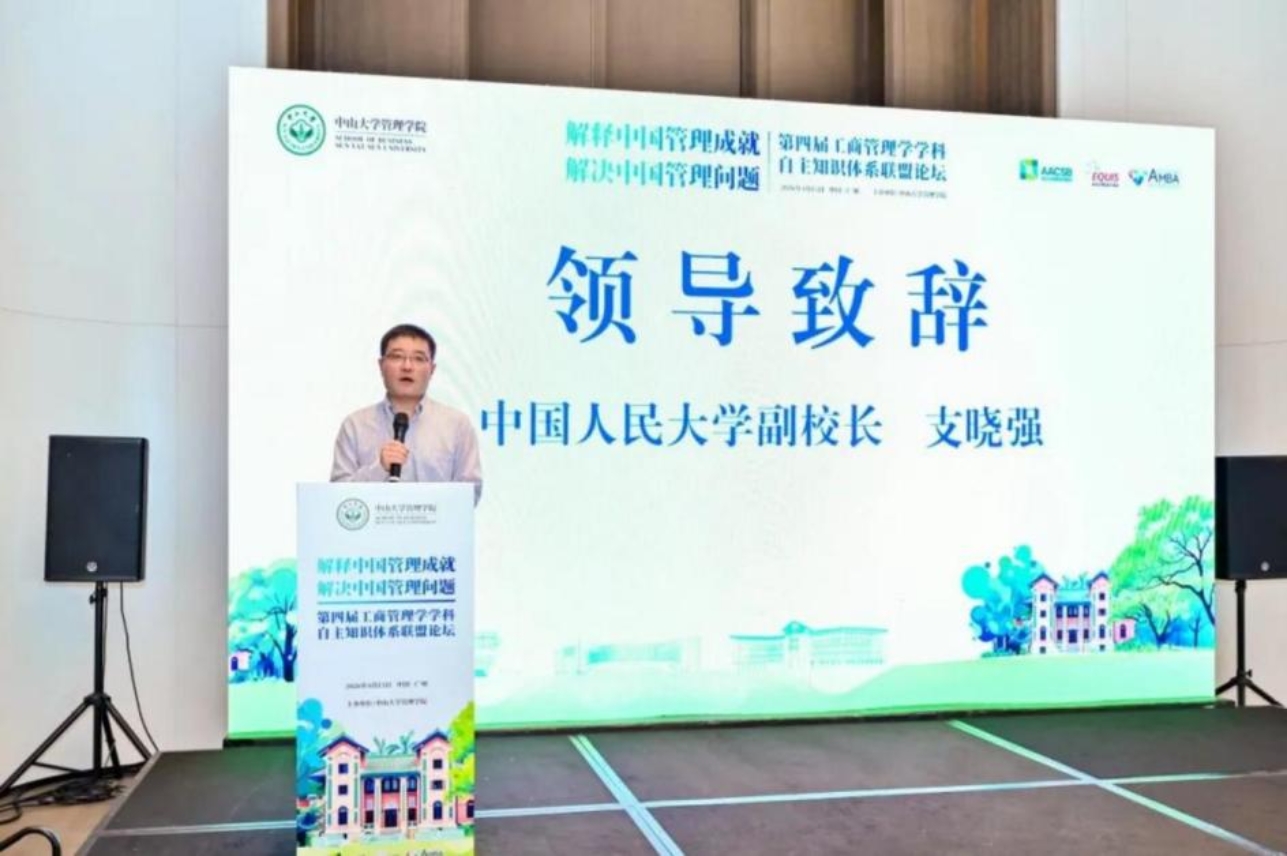
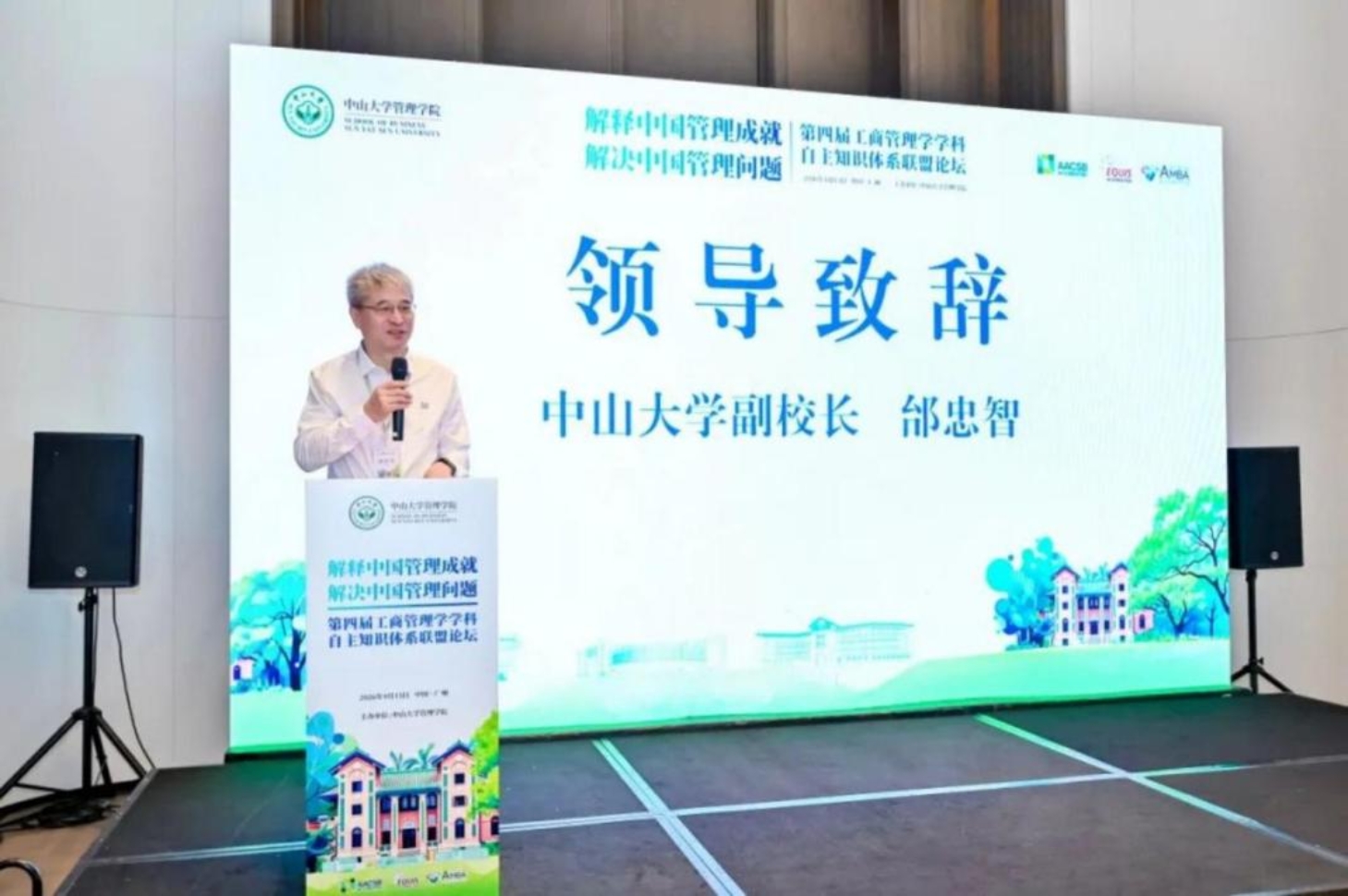
Zhi Xiaoqiang, and Tai Zhongzhi, Vice President of Sun Yat-sen University, delivered remarks at the forum. Zhi Xiaoqiang congratulated the successful convening of the forum and emphasized three guiding principles for the development of business administration: staying on the right direction, focusing on core priorities, and strengthening self-reliance in science and technology while integrating independent knowledge systems with independent talent development. He hopes that all member institutions of the alliance will collaborate to foster a healthy disciplinary ecosystem.
Tai Zhongzhi welcomed participants on behalf of the host institution and highlighted that the development of Chinese independent knowledge system must be rooted in China’s realities. He proposed six guiding principles: people-centered development, self-confidence andindependence, integrity and innovation, problem orientation, systemic thinking, and a global vision.
During the release session, representatives from Fudan University, Harbin Institute of Technology, Nankai University, Shanghai University of Finance and Economics, Shanghai Jiao Tong University, Renmin University of China, and Sun Yat-sen University presented a range of iconic concepts and original theories developed in recent years.
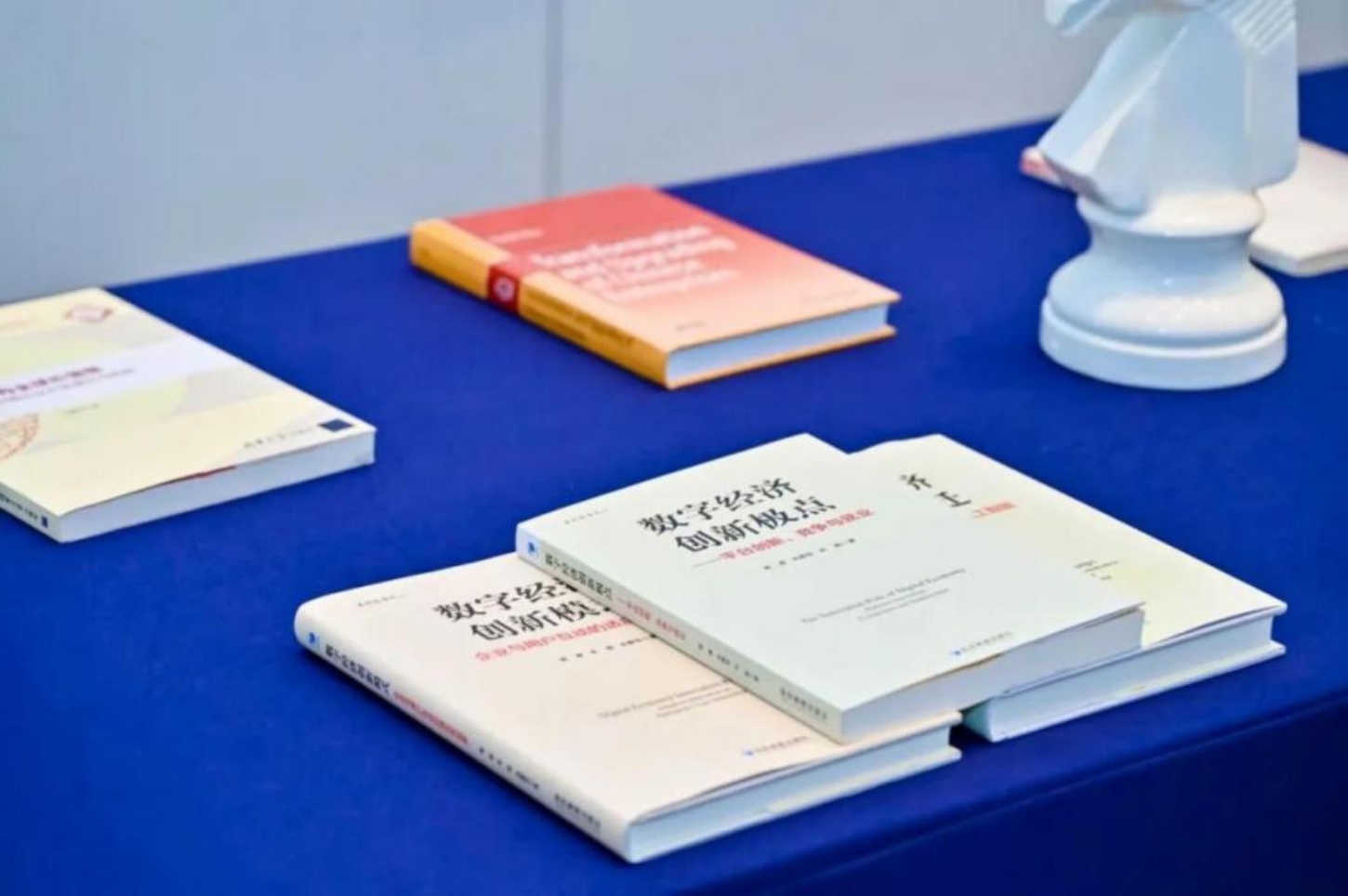
These research works take root in Chinese management practice, distill Chinese concepts, and develop original Chinese theories. They demonstrate the academic confidence and innovative vitality of China’s business administration discipline, address the real challenges faced by Chinese enterprises, and seek to generate theoretical contributions from China's practices.
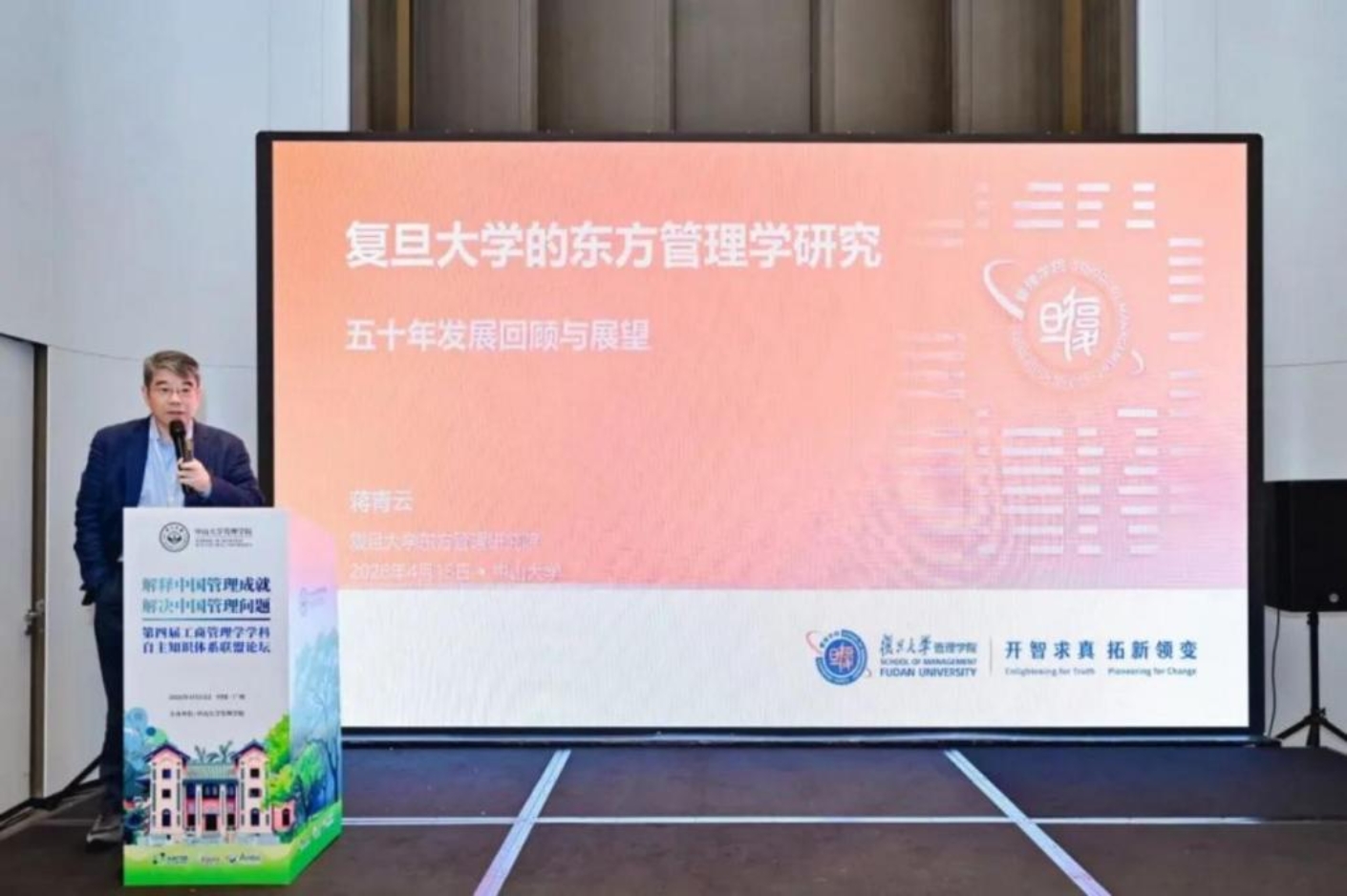
Jiang Qingyun from School of Management, Fudan University, systematically reviewed the 50-year development of Oriental Management studies. He outlined four stages of this evolution: from 1976 to 1986, “applying the past to the present, integrating Western and Chinese approaches, and refining insights;” from 1987 to 1996, “formulating propositions, establishing an independent school of thought, and moving toward the international stage;” from 1997 to 2018, “founding a school, innovating the discipline, and building a systematic framework;” and in recent years, “engaging deeply with enterprises, improving the system, and innovating paradigms.” The process reflects a clear path of growing academic self-awareness.
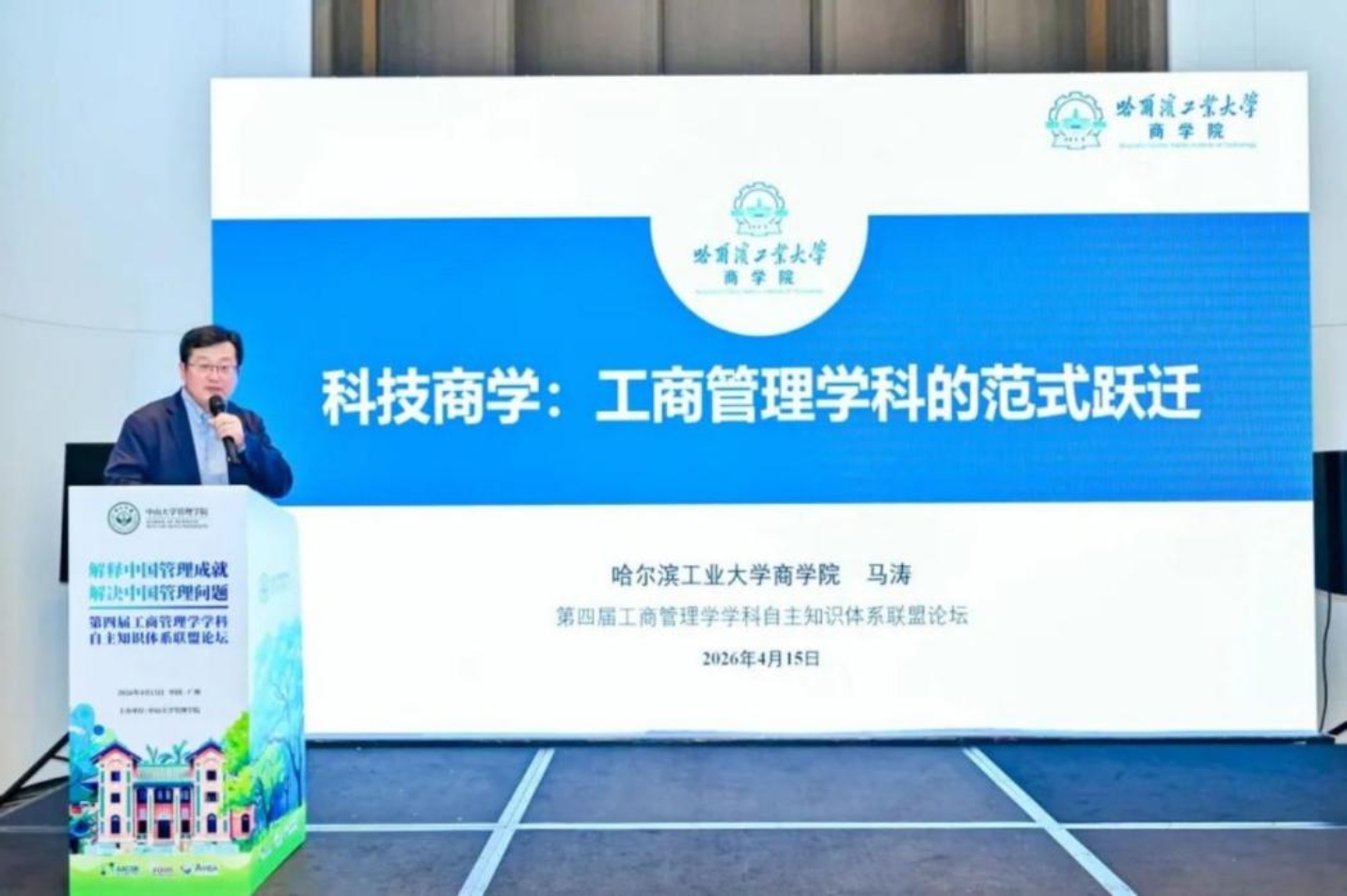
Ma Tao, Dean of HIT Business School, Harbin Institute of Technology, elaborated on the theoretical foundation of “Technology Business Studies,” proposing a three-dimensional framework covering practical mechanisms, theoretical bases, and research objects, and clarifying its distinction from traditional business administration. He believed that this paradigm shift helps address the key question of how technology can be systematically transformed into productive forces.
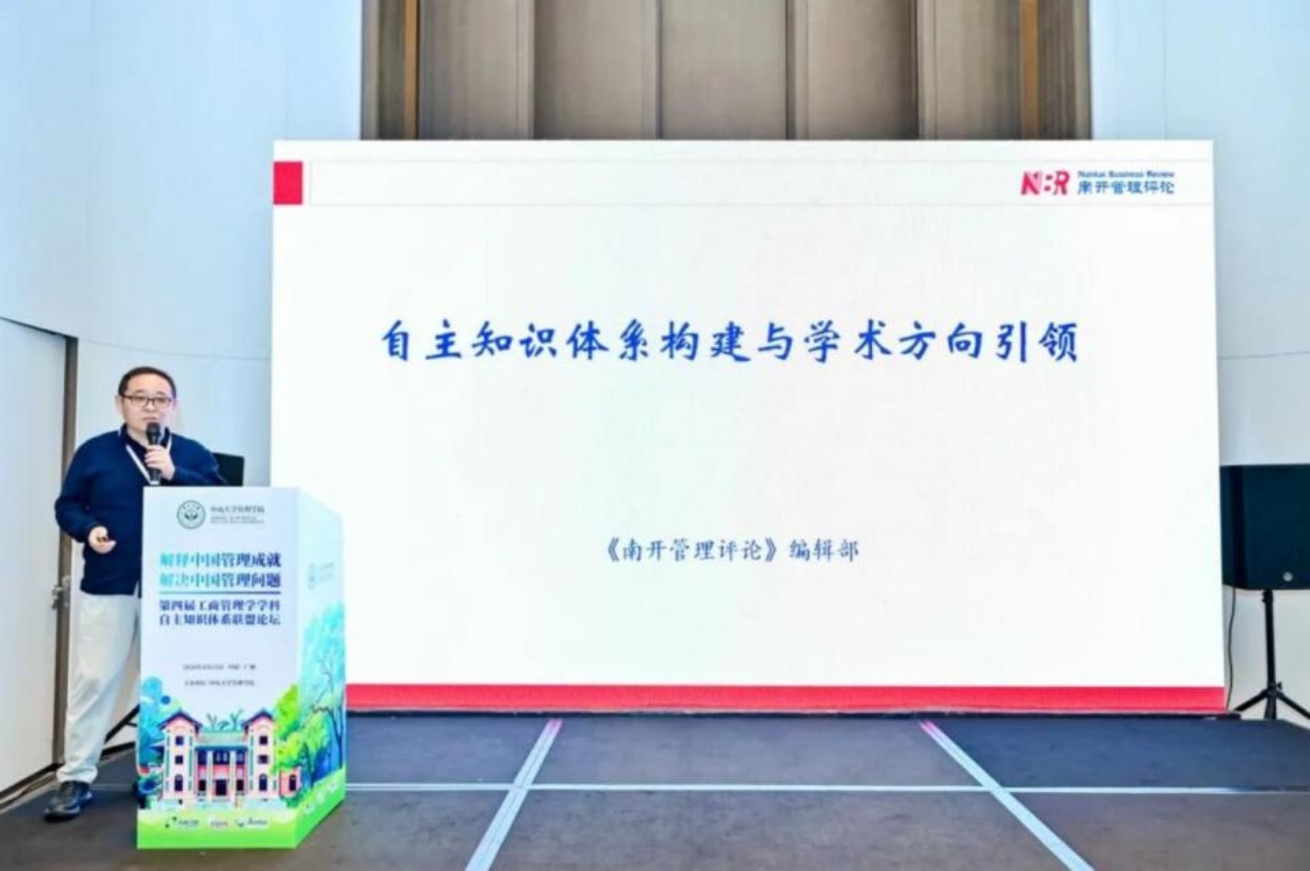
Zhou Xuan, Director of the Editorial Office of Nankai Business Review and a faculty member of Nankai Business School, Nankai University, shared the achievements of China’s business administration academic community in building an independent knowledge system and promoting academic innovation from the perspective of an academic journal. He emphasized that the journal is guided by a problem-oriented, China-based, and practice-oriented approach. It supports methodological development by balancing quantitative dominance with methodological diversity and coexistence. Through optimizing its sections and strengthening its topical guidance, the journal has further increased its support for research on iconic concepts and original theories.
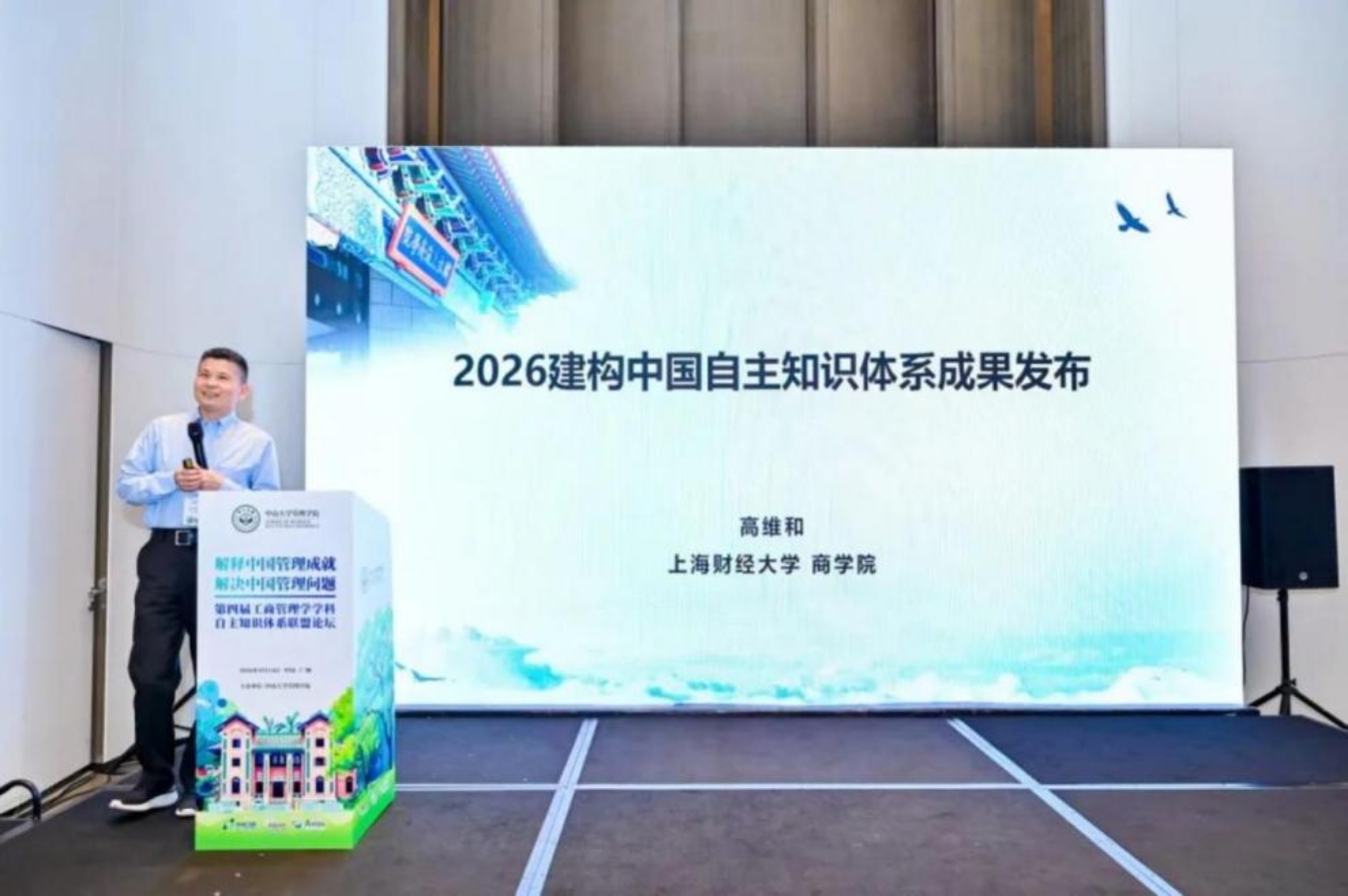
Gao Weihe, Vice Dean of College of Business, Shanghai University of Finance and Economics (SUFE), shared his school’s efforts in building an independent knowledge system for Chinese business studies. These include developing the SUFE Library academic book series, compiling disciplinary handbooks, building a series of Chinese Business Studies textbooks, and producing research outputs such as marketing frameworks based on generative artificial intelligence.
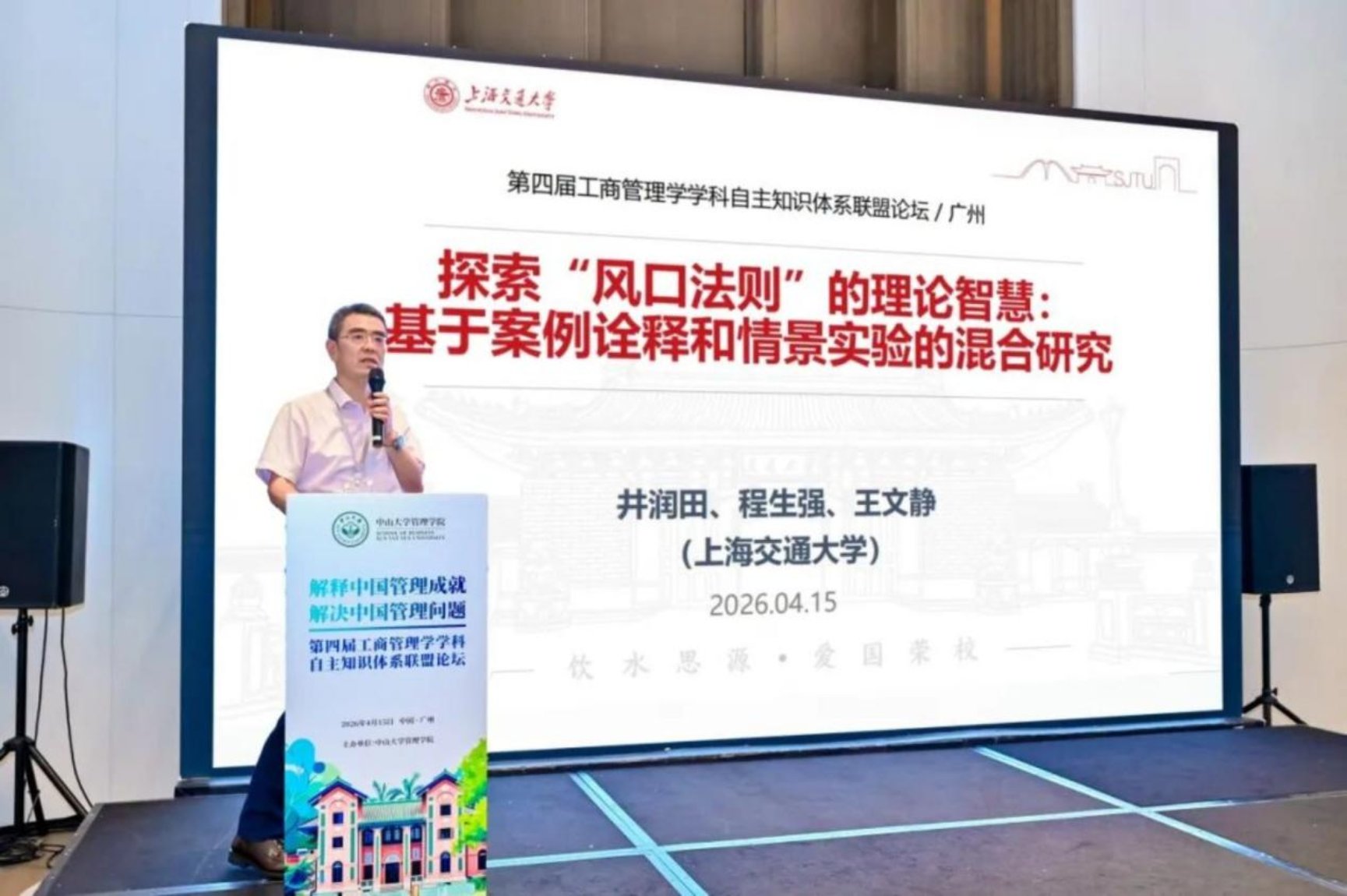
Jing Runtian from Antai College of Economics and Management, Shanghai Jiao Tong University, presented a study on “the Whirlwind (Fengkou)
Principle” grounded in Chinese management wisdom. Taking Xiaomi as a case, he believes that a “Fengkou” is essentially a “psychological momentum” perceived by managers, and that systematic strategic positioning (“structural momentum”) and leadership are key to transforming it into growth opportunities.
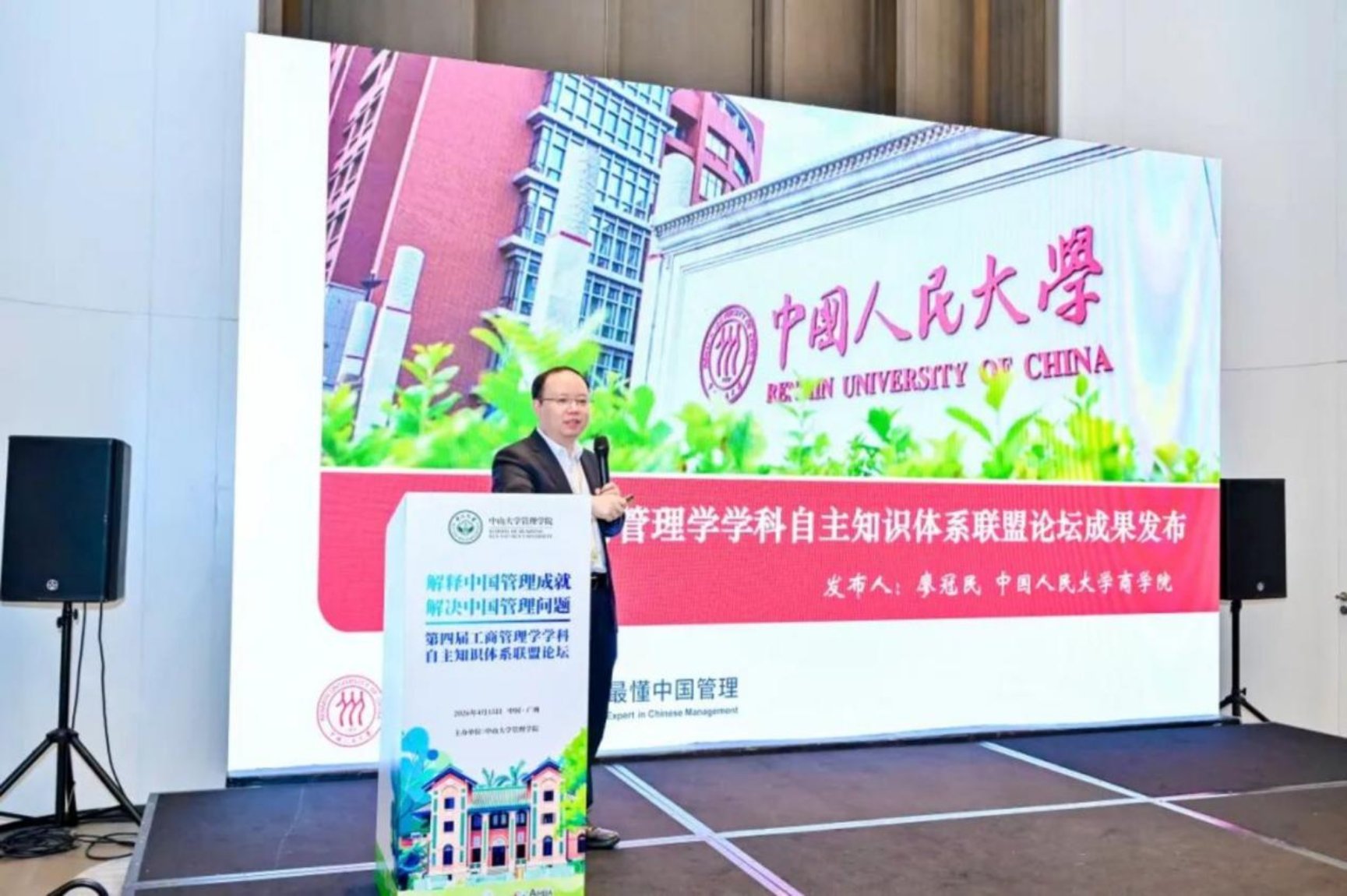
On behalf of RMBS, Liao Guanmin presented several research outputs, including: internal network defense: a security- and resilience-oriented theory of innovative network governance, the Handbook of Chinese Management, theory of platform-based multinational corporations in the digital era, the series of papers on integrated innovation, and human–AI collaborative intelligent decision-making systems for global expansion and their applications.
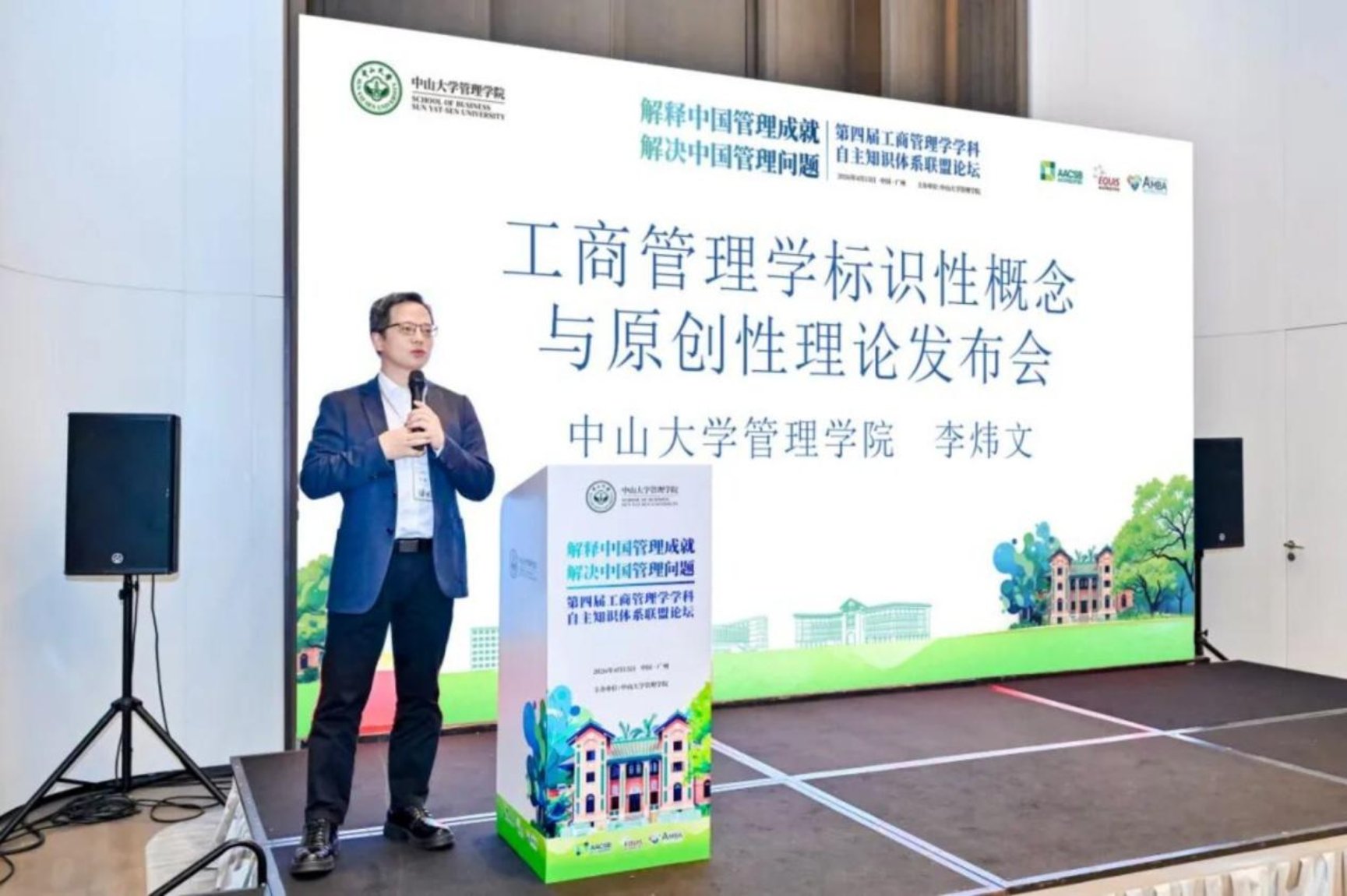
Li Weiwen, Vice Dean of School of Business, Sun Yat-sen University, presented a series of original contributions from the school, including Professor Mao Yunshi’s “restructuring global value chain theory,” Professors Lu Yadong and Fu Zhengping’s use of the “water” metaphor in China’s management theory, Professor Li Xinchun’s “dual governance” model of modern enterprises (combining corporate oversight systems and mechanisms for fostering entrepreneurship), and Professor Xiao Jinghua’s iconic concepts of “dual-leap transformation” and “structural advantage strategy.”
In the keynote session of the forum, Liang Yangchun (President of Journal of Management World), Ma Yongqiang (Vice President of Southwestern University of Finance and Economics), Bai Changhong (Dean of Nankai Business School, Nankai University), Ma Huaxiang (Party Secretary of Guanghua School of Management, Peking University), Ma Tao (Dean of HIT Business School, Harbin Institute of Technology), Xie Xiaoyun (Dean of School of Management, Zhejiang University), and Yi Jingtao (Dean of Renmin Business School, Renmin University of China) shared their perspectives on the profound transformation of theory and practice, each focusing on the development of an independent Chinese knowledge system in business administration.
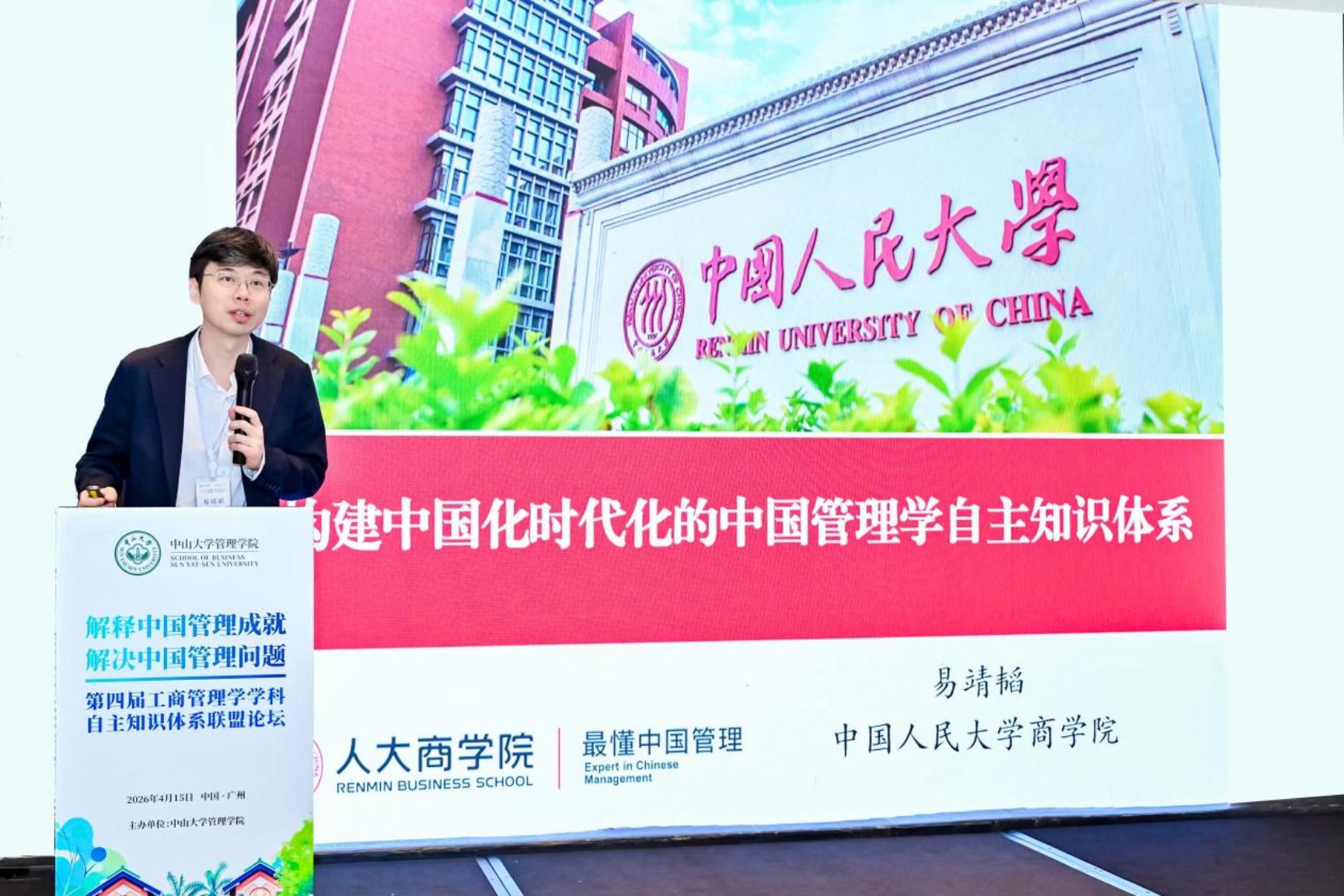
Yi Jingtao elaborated on a dual logic for constructing this system: horizontally, following a “China–World–China” framework; and vertically, following an “Era–History–Era” framework. He noted that this represents an academic long march from being an observer to becoming a leader, requiring sustained effort and urgency from the academic community.
The “Alliance for the Independent Knowledge System in Business Administration Discipline” was initiated by RMBS in January 2023. The alliance initially comprised 15 member institutions and later expanded to 24. It has held three annual forums in 2023, 2024, and 2025. In 2026, the School of Business at Sun Yat-sen University takes the shift of organizing the fourth forum series.