

On October 10, as one of the sub-forums of the Tongzhou Global Development Forum (2026) hosted by Renmin University of China, the sub-forum "Sci-Tech Innovation and Industrial Chain Restructuring — Building a New Ecosystem for High-Quality Development in the Asia-Pacific" was held in Beijing. The sub-forum was organized by Renmin Business School (RMBS).
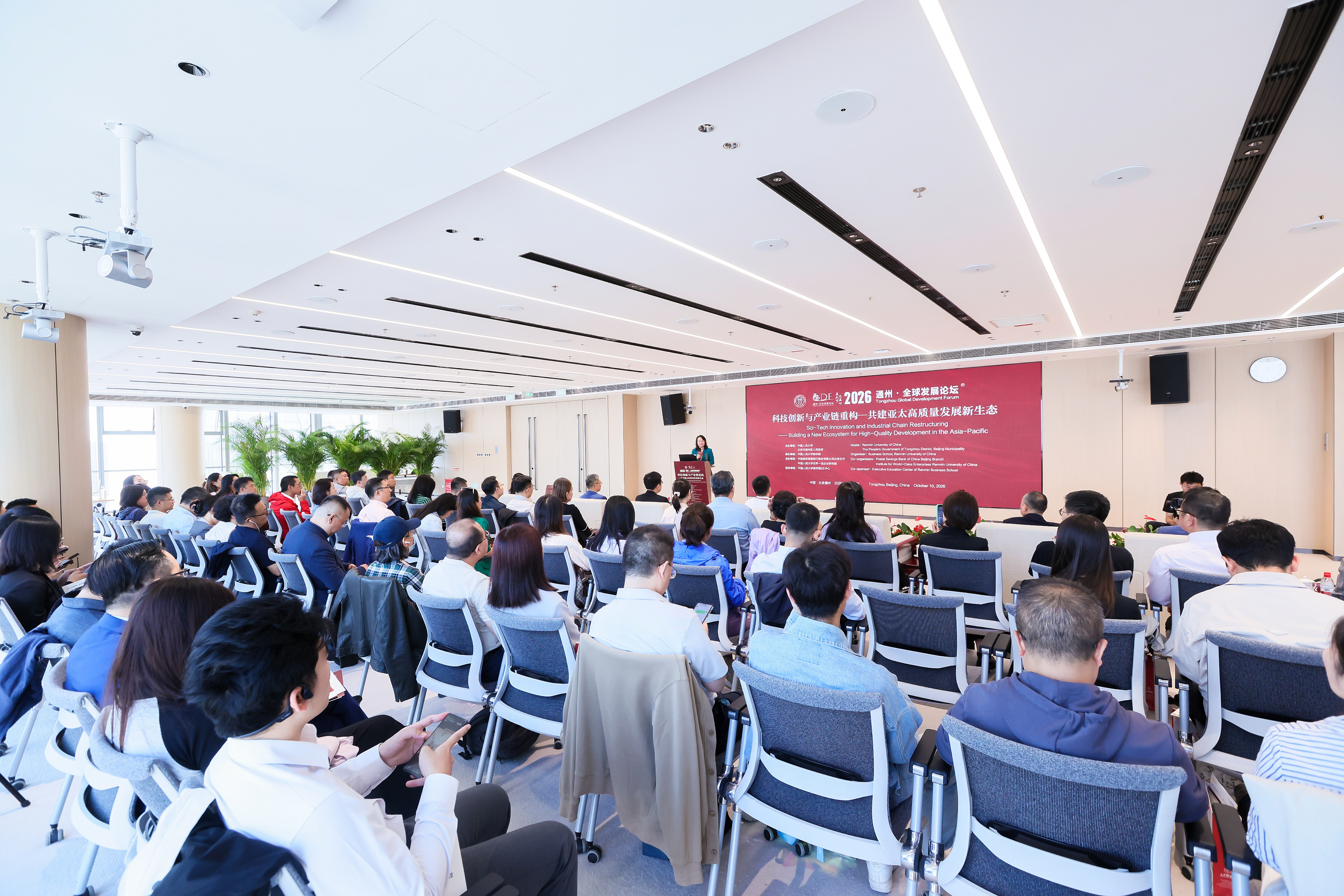
Nearly 150 people attended, including core decision-makers and senior executives from central state-owned enterprises, state-owned enterprises, multinational corporations and private enterprises, as well as faculty and student representatives of RMBS and representatives of research institutions. Zhao Daxuan, Associate Dean of RMBS, delivered remarks, and Luo Chunfang, Executive Director of the Executive Education (EE) Program Center, moderated.
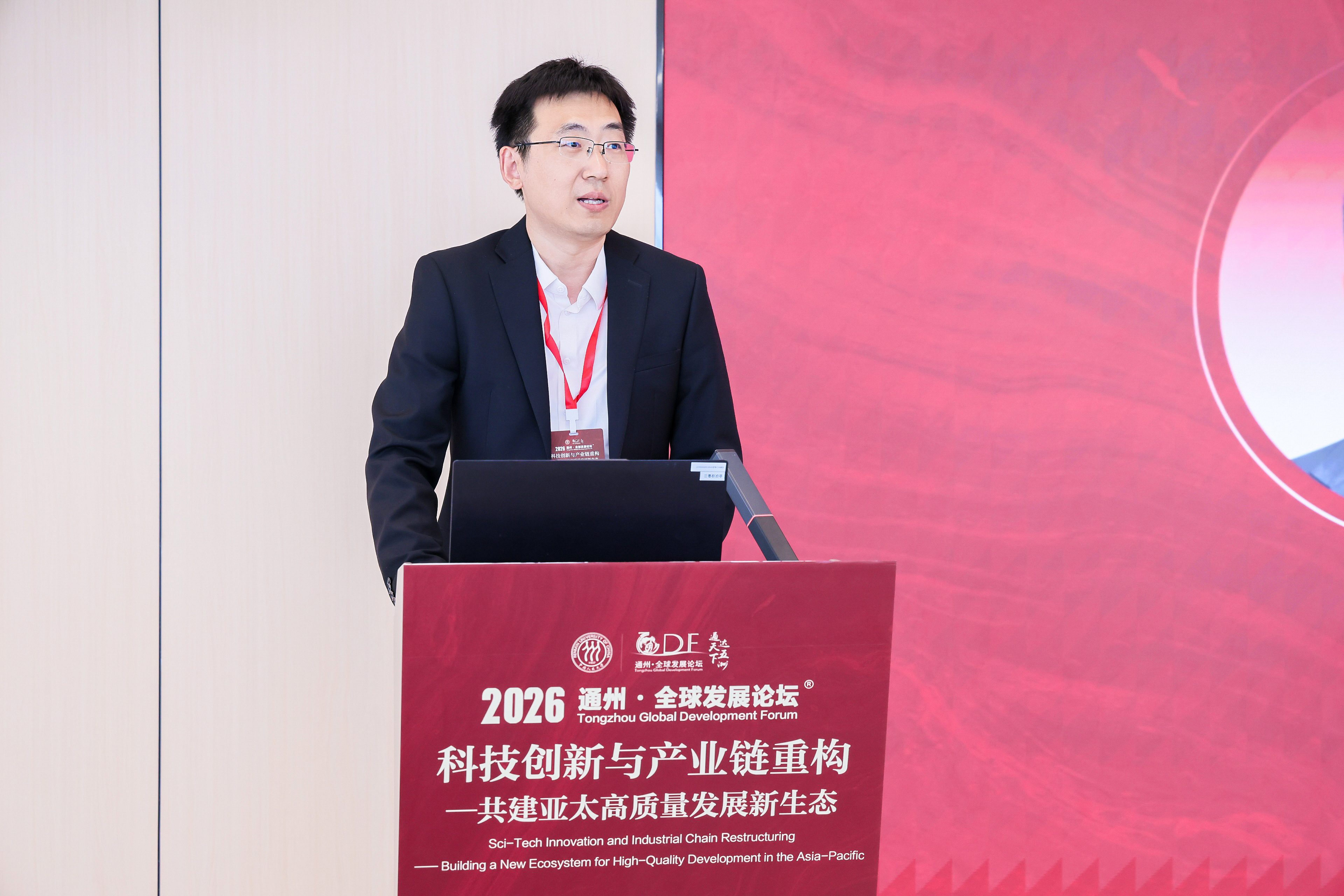
Zhao Daxuan said that the Asia-Pacific, as an important engine of global economic growth, holds enormous potential for cooperation while also facing the real tests of value chain adjustment and competition over digital rules. Noting that 2026 is the opening year of the 15th Five-Year Plan and that China is fully implementing the "AI Plus" initiative to create new space for industrial upgrading and opening-up, he said the sub-forum was closely attuned to the prevailing trends of the times and directly addressed real-world challenges, making it both timely and far-reaching in significance. As the founder of business administration education in China, RMBS has long been committed to building high-level platforms for dialogue and exchange and to aligning business education with the real needs of industry, providing strong support for the transformation and upgrading of domestic industries and the internationalization of Chinese enterprises. In the future, RMBS will continue to hold more high-level seminars on Asia-Pacific cooperation, carry out joint research on topics such as building digital-intelligent supply chains, developing green industries in the Asia-Pacific, and ensuring compliance for companies going global, tell the story of China's innovative development in practice, and contribute to building a new ecosystem for high-quality development in the Asia-Pacific.
Song Hua, Professor at RMBS and an expert in the Ministry of Commerce's Market Regulation Expert Pool; Tian Haikui, Chairman of Wu'an Xinfeng Circular Economy Industry Investment and Development Co., Ltd.; Bi Wenqiang, founder and director of Beijing Shengting Law Firm; Xu Li, Chairman of Beijing Graphene Institute Co., Ltd.; and Chen Xiao, Global Partner of Beijing DeHeng Law Offices and mediator of the "Belt and Road" International Commercial Dispute Resolution Center, delivered keynote speeches.
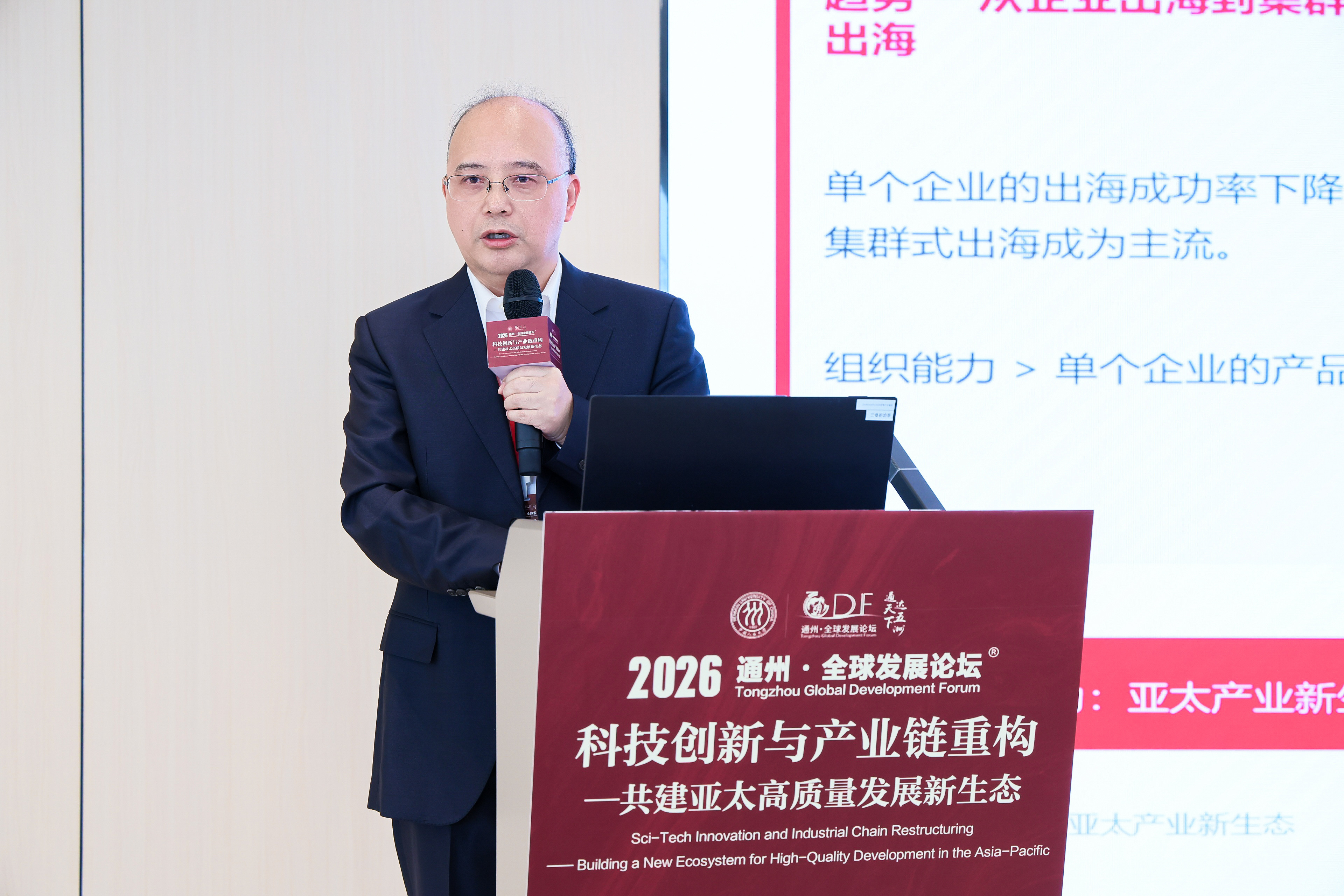
Under the title "From Chain to Network: Digital-Intelligent Supply Chain Clusters Reshaping a New Industrial Ecosystem in the Asia-Pacific," Song Hua pointed out that digital-intelligent supply chain clusters are now reshaping the industrial ecosystem of the Asia-Pacific and that Chinese companies going global have shifted from "selling goods at a single point" to "organizing production within the region." He proposed a cross-border supply chain architecture of "three tiers plus two pillars" to drive the supply chain from physical connectivity to a leap in value, and, by crossing the two dimensions of cluster leader and organizational form for going global, identified six recognizable models of clusters going global. The restructuring of the Asia-Pacific's new industrial ecosystem is essentially a comprehensive upgrading of the way industries are organized, and its trends will run from companies going global to clusters going global, from exporting capacity to exporting standards, from supply chains to ecosystems, and from prioritizing efficiency to prioritizing resilience.
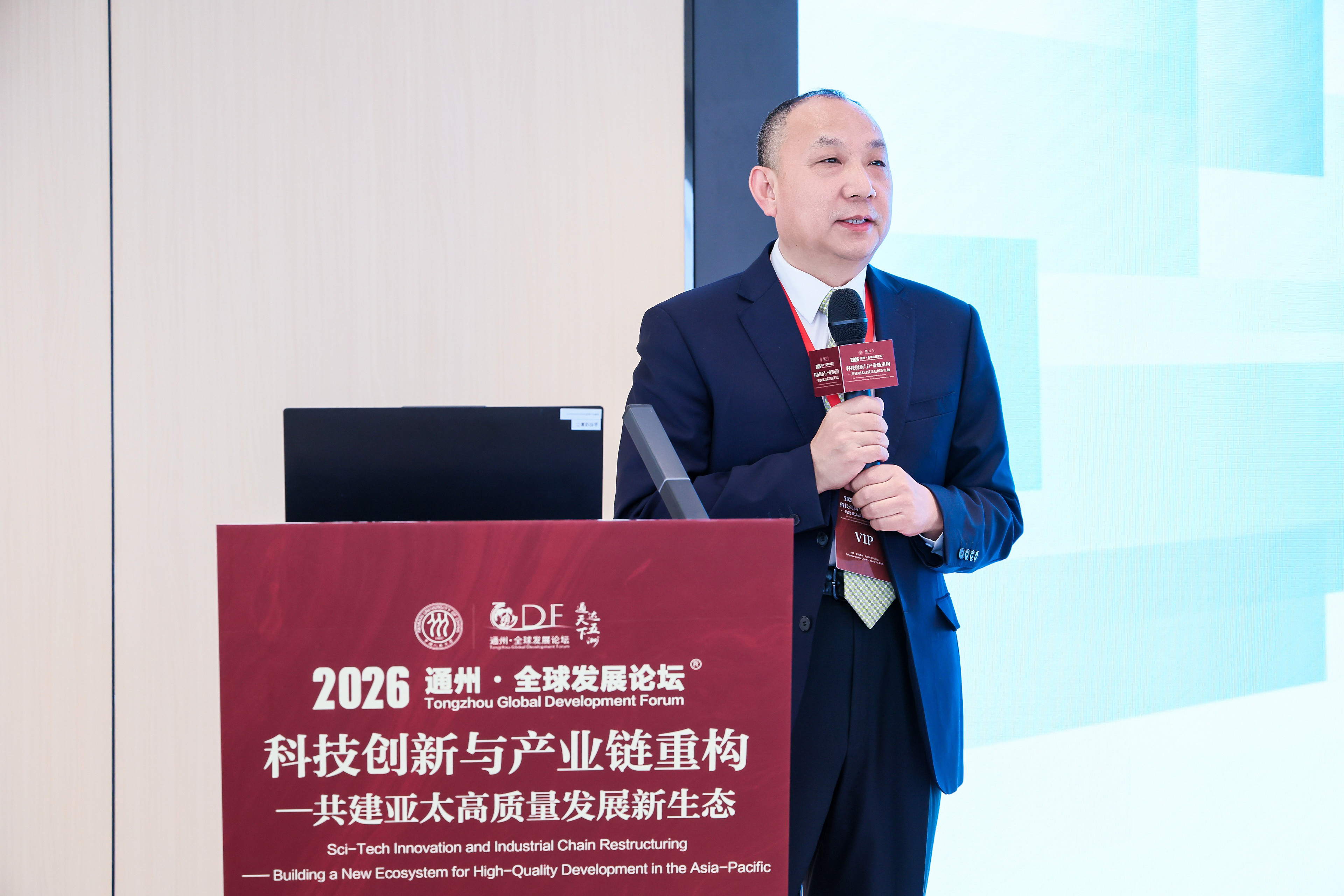
Under the title "Building an Asia-Pacific Green Industry Community through a Zero-Waste Economy," Tian Haikui proposed that putting into practice the core zero-waste economy principles of reduction, resource recovery, harmlessness and industrialization is a pragmatic and feasible path to building an Asia-Pacific green industry community. Drawing on the domestic and overseas projects of Hebei Xinfeng Group, he put forward cooperation proposals including using zero-waste recycling as a focal point for green cooperation in the Asia-Pacific, building a platform for dialogue and exchange on green technology, strengthening coordination across the entire industrial chain and supply chain, and upholding a pragmatic and inclusive approach. He also called on all parties to fully share local practice cases, learn from one another and jointly build an Asia-Pacific green industry community.
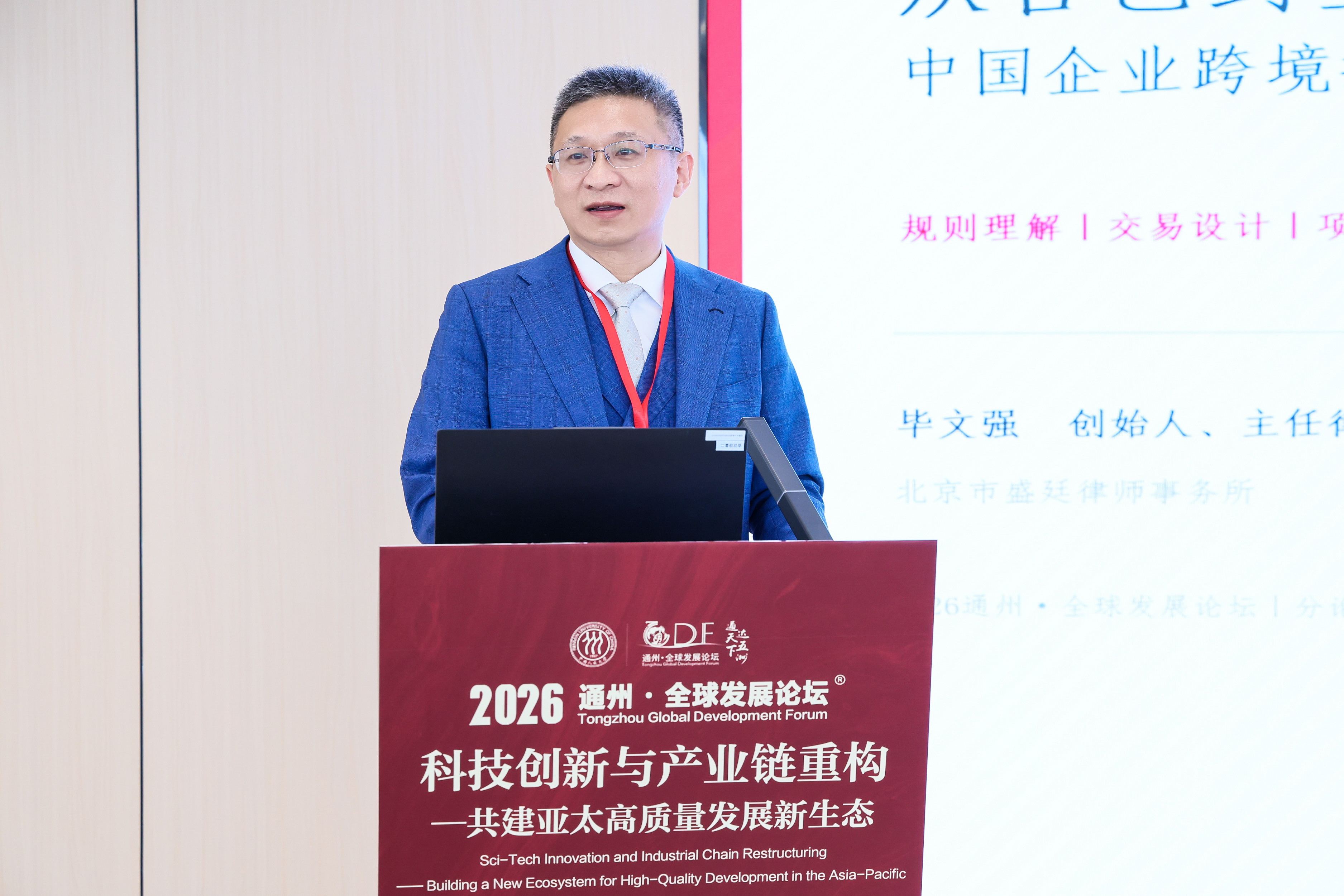
Focusing on "From Cuba to the World: Rules, Transactions and Project Delivery in Chinese Companies' Cross-Border Investment," Bi Wenqiang analyzed the legal and commercial issues Chinese companies need to focus on when entering emerging national markets, and discussed how companies going global can make sound choices in investment paths, partner due diligence, transaction structure design, funding arrangements, contract management, local compliance and dispute prevention. He further summarized risk management approaches for companies going global that are applicable to different country markets, stressing that legal services should move forward from handling matters after disputes arise to covering the entire process of investment decision-making and project delivery, and that professional service institutions should play a bridging role in rule communication, resource connection, coordination between Chinese and foreign professionals and project implementation, thereby providing professional support for Chinese companies to participate steadily in international cooperation and enhance their global operating capabilities.
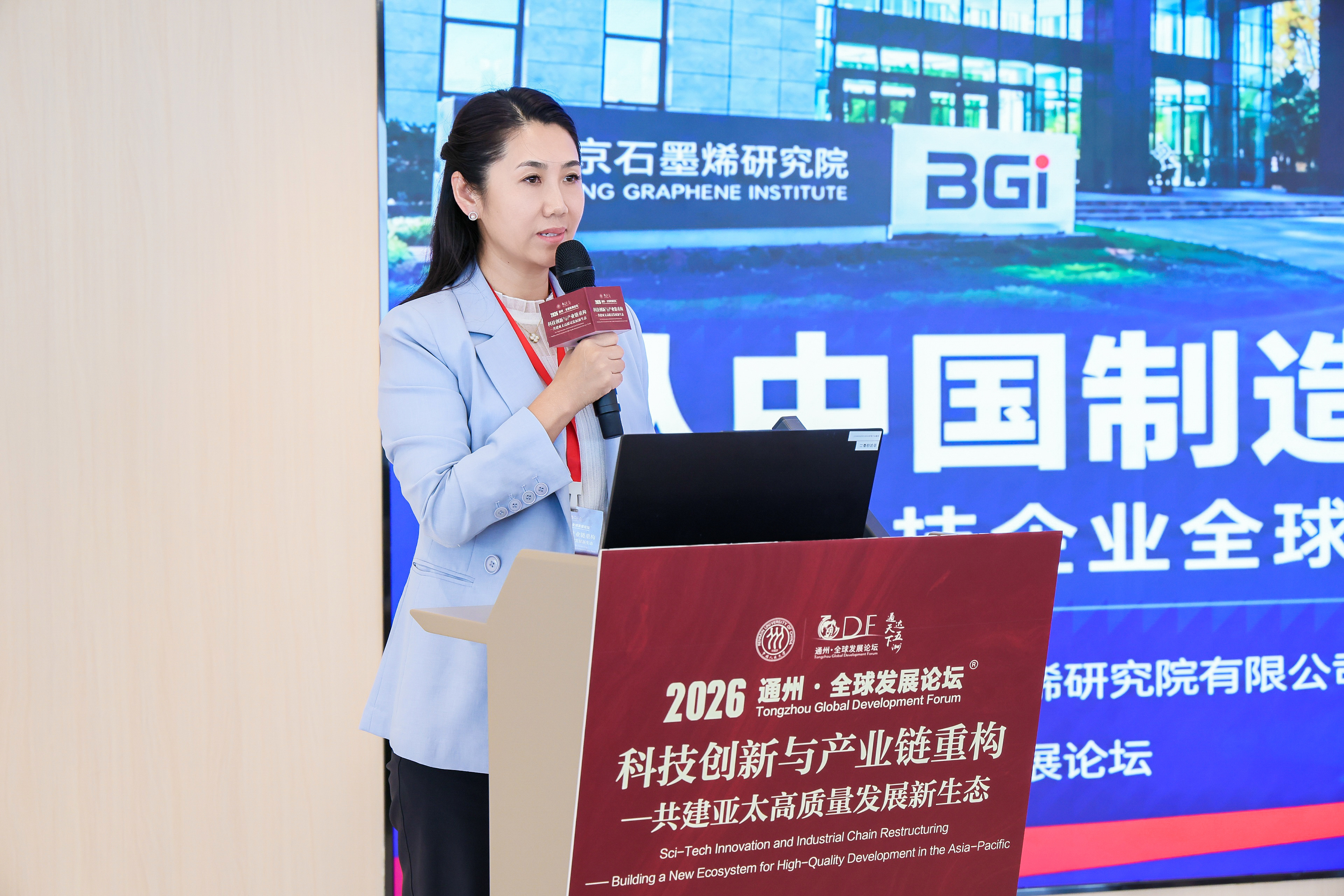
Under the title "From Made in China to Innovated in China: The New Logic of Global Competition for Technology Companies," Xu Li explored the new logic of Chinese technology companies' participation in global competition and new pathways for strengthening their global expansion through technological innovation, and analyzed how technology companies can enter global R&D, validation, supply chain and standards systems by virtue of "small products and deep technology." She said that looking ahead, the combination of the industrial foundation built by "Made in China" and China's innovation capacity is expected to help more Chinese technology companies enter key links of the global industrial chain and create higher value in global markets.
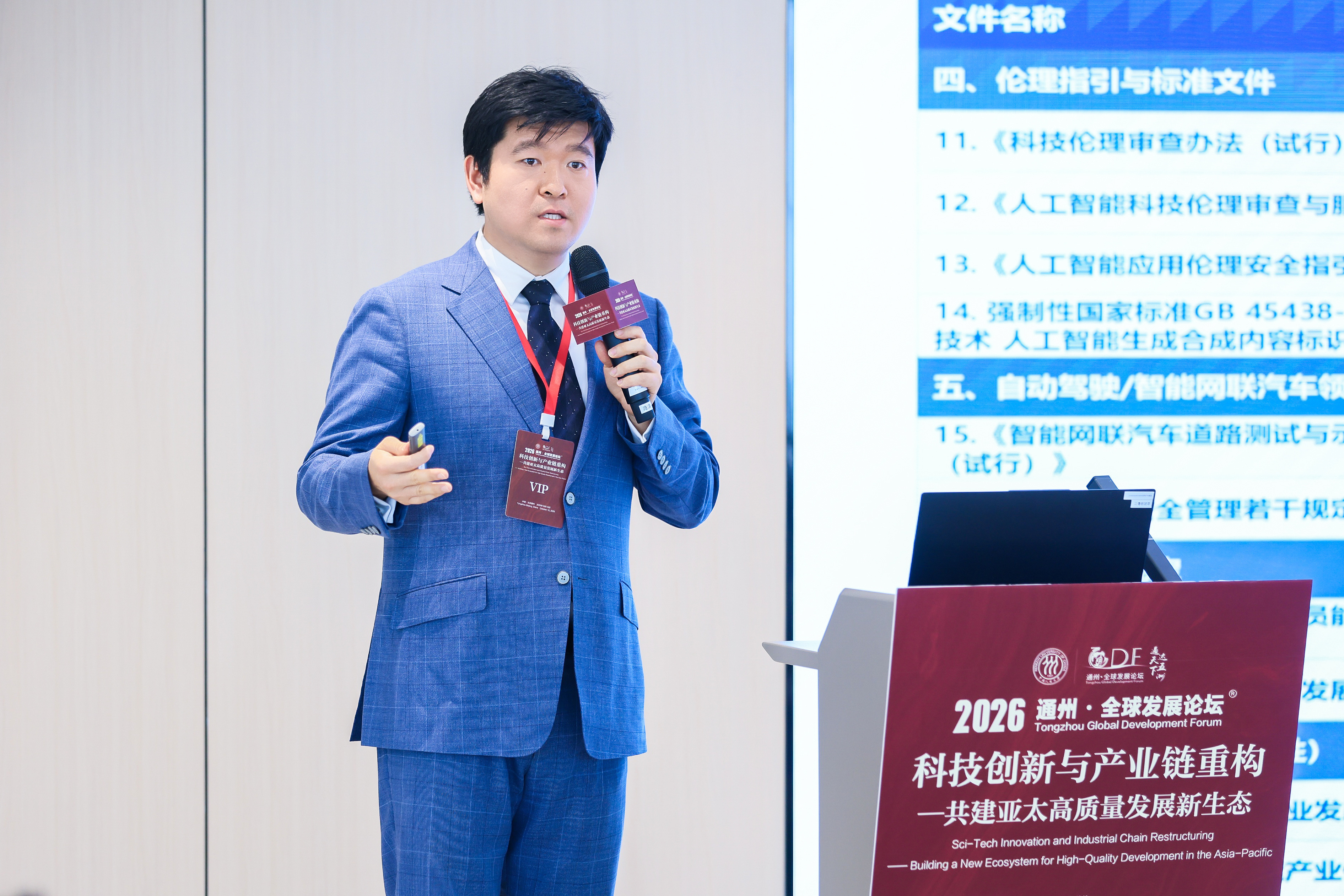
Focusing on "Cross-Border Litigation Practice and Compliance Essentials for Chinese Going-Global Enterprises amid Global Supply Chain Restructuring," Chen Xiao systematically reviewed the latest institutional, policy and legal arrangements on artificial intelligence and computing resources in China, the United States, and international organizations such as the European Union and the United Nations; analyzed in depth how the evolution of relevant rules guides compliance in the restructuring of global supply chains; and, from the perspective of legal practice, explained the professional philosophy of "solving legal problems by starting from technological facts," using concrete cases to show participants a clear path for going-global enterprises to manage legal, litigation and compliance risks under the new international landscape.
Bringing together forces from industry, academia and research, this sub-forum provided an in-depth analysis of topics such as the restructuring of digital-intelligent supply chain clusters, the transition to a zero-waste economy and cross-border investment compliance, shared frontline cases of companies going global and of technological innovation, and offered intellectual support for the deep, integrated development of China and the Asia-Pacific region.