

Berlin, 23–25 October – Ma Pu, a 2024 MBA candidate from Renmin Business School (RMBS), was selected for the Young Voices Delegation at the third Berlin Global Dialogue (BGD 2025). Founded by Professor Lars-Hendrik Röller—former Chief Economic Advisor to German Chancellor Angela Merkel—and hosted by European School of Management and Technology (ESMT Berlin), the forum brought together more than 1,000 leaders from politics, business, academia and media, including European Commission President Ursula von der Leyen, Albanian Prime Minister Edi Rama, Luxembourg Deputy Prime Minister & Foreign Minister Xavier Bettel, South African Minister of Home Affairs Leon Schreiber, Airbus Chairman René Obermann, Mercedes-Benz Chairman Ola Källenius and Bayer CEO Bill Anderson.

Thirty graduate students from 17 top business schools across 20 countries formed this year’s Young Voices, engaging with speakers in direct dialogue. Ma Pu represented China in panel debates on geopolitics, climate response, tech innovation and global development imbalances—issues framed under the conference theme “Shifting Power, Shaping Prosperity.”
As China’s role in global affairs expands, its R&D investment and green-tech breakthroughs have become a focal point. Drawing on his dual background as head of corporate communications and a former Sino-German industrial correspondent, Ma Pu shared his observation, “As repeatedly emphasized at the forum, balancing cooperation among China, the U.S. and Europe has become one of the most pressing issues of our time. China is not only an indispensable link in the global industrial chain, but also a key driver of worldwide technological innovation.”
In parallel forums on electrification, new energy, AI and smart manufacturing, Ma questioned German Chancellor’s Personal Investment Representative Martin Blessing, CDU/CSU parliamentary-group chair Jens Spahn and Deloitte Managing Partner Bernhard Lorentz on two core topics: how Germany can embed Asian and African sustainability roadmaps and how China and Europe can align AI governance with commercial applications. All panelists agreed that proactive global collaboration is essential for technological progress and for tackling shared challenges.
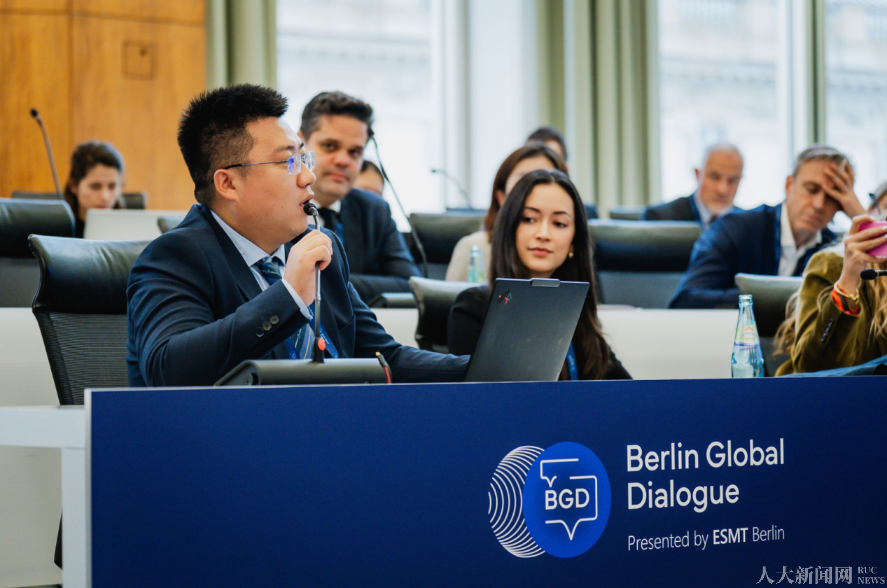
The in-depth participation of the Young Voices Delegation emerged as a highlight of the Berlin Global Dialogue (BGD). On the eve of the forum, the Young Voices released A Call for Responsible Leadership in a Multipolar World: A Young Voices' Declaration. The document affirms that, confronted with increasingly complex global challenges, the next generation is committed to building a fairer and more sustainable world order through collaborative partnerships and innovative practice.

Beyond panel debates, delegates held one-on-one conversations with global CEOs. In a discussion with Mercedes-Benz CEO Ola Källenius, Ma asked about hurdles to China-EU M&A and personal career growth. Källenius replied that evolving geopolitics will create new China-EU opportunities and praised Chinese private firms for “moving from fast followers to tech front-runners.” Encouraging Ma’s generation to “do what you love,” he recalled joining Mercedes out of a youthful passion for international markets.
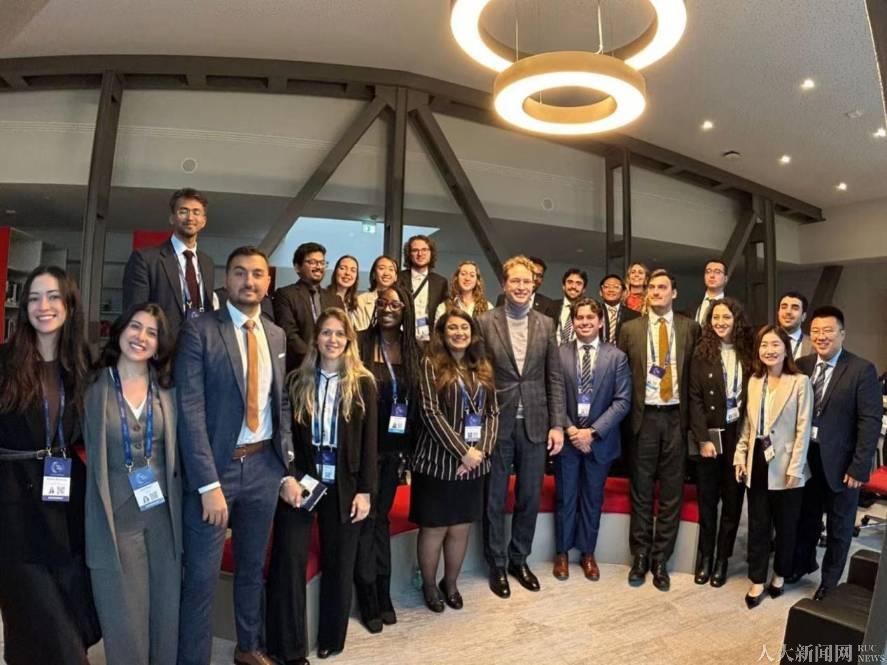
“BGD widened my perspective on global governance,” Ma said. “Young Chinese must be both messengers of China’s story and builders of global solutions.” He pledged to keep translating forum consensus into concrete pilot projects with classmates in Beijing and Berlin.